Pressure Washing Blog
If you have ever stepped onto your porch and found yourself face-to-face with a massive spider web, or noticed a wasp nest tucked into the eaves above your front door, you know how quickly bugs can make themselves at home on your property. For homeowners in Western North Carolina, where warm, humid summers create perfect conditions for insects to thrive, this is a very real and very common problem.
One question we hear often at HydroClean is whether pressure washing can actually help with bugs. The short answer is yes, it can, but it helps to understand exactly what pressure washing does, which pests it addresses, and what it cannot do on its own. This article breaks it all down so you can make the most informed decision for your home.
Why Your Home's Exterior Attracts Bugs in the First Place
Before we talk about solutions, it helps to understand what draws insects and pests to the outside of your home. Bugs are not randomly wandering onto your siding, porch, or driveway. They are following very specific signals.
Here are the most common attractants on a home's exterior:
- Organic buildup: Mold, algae, mildew, and lichen create moist, protected microhabitats that insects love to nest in and feed on.
- Debris accumulation: Leaves, dirt, and grime trapped in gutters, along the foundation, or in cracks give insects prime nesting material.
- Old webs and nests: Existing webs and abandoned nests are like open invitations for new pests to move in.
- Standing moisture: Damp surfaces from poor drainage or infrequent cleaning create the moist environments that many insects prefer.
- Food residue: Pollen, bird droppings, and organic material on decks and patios attract ants and other scavenging insects.
The good news is that pressure washing directly targets most of these conditions. A thorough exterior cleaning removes the very things that make your home an attractive destination for pests in the first place.
Which Bugs Does Pressure Washing Actually Help With?
Not all bugs respond the same way to pressure washing, so it is worth breaking this down by pest type. Here is a closer look at the insects most commonly addressed by a professional exterior cleaning.
Spiders
Spiders are perhaps the most visible pest problem on home exteriors. They love protected corners, overhangs, shutters, and the undersides of decks where they can anchor webs undisturbed. Once one web is established, others follow quickly, and the population can grow surprisingly fast over a single season.
Pressure washing is highly effective at removing spider webs, egg sacs, and the debris that spiders use to anchor their structures. By clearing away webs and eliminating the moist, shaded conditions that attract the small insects spiders prey on, you make your exterior a far less appealing home for them. Regular pressure washing as part of seasonal maintenance is one of the most practical ways to keep spider populations under control around your home's exterior.
Wasps and Mud Daubers
Wasps and mud daubers tend to build nests in sheltered spots such as under eaves, in corners of window frames, behind shutters, and along rooflines. These locations offer protection from rain and wind, making them especially attractive during spring and summer nesting season in the Asheville area.
A few important points to understand about pressure washing and wasps:
- Pressure washing can remove early-stage nests and mud dauber tubes before populations become established.
- Nests that are small and freshly started are much more manageable than mature colonies, making early-season cleaning valuable.
- For large or active wasp nests, professional pest control should always come first. Never attempt to pressure wash an active, established nest.
- After a pest professional has handled an active nest, pressure washing is an excellent way to remove the remnant structure and discourage rebuilding in the same spot.
The key takeaway is that timing matters. Scheduling a pressure wash in early spring, before nesting season is in full swing, gives you the best opportunity to clear out old nests and discourage new ones.
Ants
Ants on your home's exterior are often a sign of moisture problems, food sources, or organic debris that has built up over time. While ants themselves are not directly dislodged by pressure washing the way webs and nests are, cleaning your concrete, driveways, patios, and foundation areas removes the organic material and food residue that draws them in.
Pressure washing driveways and walkways is particularly useful here. Cracks in concrete that have filled with soil, algae, and organic debris become perfect ant habitats. High-pressure cleaning clears these cracks and removes the conditions that sustain ant colonies near your home's foundation. Our residential pressure washing service addresses these surfaces thoroughly, treating the whole exterior picture rather than just one surface at a time.
Stink Bugs, Earwigs, and Other Crawling Pests
Beyond the big three, a variety of crawling and clinging pests congregate on home exteriors, especially in late summer and early fall as temperatures begin to cool. Stink bugs, earwigs, and similar insects gravitate toward surfaces that offer warmth and shelter, and they tend to cluster around window frames, siding seams, and under overhangs.
Pressure washing removes the grime and organic matter on these surfaces, making them less hospitable. It also physically clears away existing clusters before they find entry points into your home.
The Seasonal Connection: When to Schedule for Maximum Bug Control
Pest activity in Western North Carolina follows a predictable seasonal rhythm, and aligning your pressure washing schedule with that rhythm makes a significant difference.
Here is a season-by-season breakdown:
- Early spring (March to April): This is the single most impactful time to schedule a pressure wash for bug control. Overwintering insects are just becoming active, nests are brand new, and clearing your exterior now disrupts pest cycles before they gain momentum.
- Late spring to early summer (May to June): A good time for a secondary cleaning, particularly for decks, patios, and outdoor entertaining areas where organic buildup attracts insects during peak activity season.
- Late summer to early fall (August to September): As insects begin seeking shelter ahead of cooler temperatures, cleaning your exterior removes the debris and sheltered surfaces that attract them.
- After a wet season: Heavy rain periods accelerate mold and algae growth, which in turn attracts more insects. Cleaning after an especially wet stretch resets the surface conditions.
How Pressure Washing Removes Bug-Friendly Conditions
The connection between a dirty exterior and a bug-heavy exterior is more direct than most homeowners realize. When mold, algae, and grime are allowed to accumulate on siding, rooflines, and concrete surfaces, they create layered ecosystems where insects thrive.
At HydroClean, our approach goes beyond surface appearances. Our soft washing method uses a biodegradable cleaning solution applied at low pressure that actually kills the mold, mildew, and algae at the source rather than simply rinsing it away. This is an important distinction. Standard high-pressure rinsing can move organic material around without eliminating the bacteria beneath it, which means growth returns quickly and the conditions that attract insects persist.
Our soft washing approach kills what is growing on your surfaces, extending the time between cleanings and genuinely reducing the organic environment that pest populations depend on.
For more, read our blog debunking 10 common myths about soft washing.
Surfaces That Benefit Most for Bug Reduction
- Siding and exterior walls, where mold and algae create sheltered insect habitats
- Eaves and rooflines, where wasps and mud daubers build nests
- Gutters, which collect debris that attracts nesting insects and moisture-loving pests
- Decks and porches, where spiders web heavily and ants scavenge
- Driveways and concrete, where cracks filled with organic matter attract ant colonies
- Window frames and shutters, which harbor spider webs and stink bug clusters
What Pressure Washing Cannot Do
It is important to be straightforward here. Pressure washing is not a substitute for professional pest control, and it does not eliminate active infestations. If you have an established nest, a significant ant infestation, or a serious pest problem, the right first step is always a licensed pest control professional.
What pressure washing does is remove the physical and environmental conditions that attract and sustain pest populations on your home's exterior. Think of it as eliminating the welcome mat rather than evicting the guests. Used consistently as part of your home maintenance routine, it is a genuinely effective tool for keeping pest pressure lower between seasons.
Read our blog about eco-friendly cleaning and the environmental benefits of soft washing.
Frequently Asked Questions
Does pressure washing kill bugs?
Pressure washing can physically remove bugs, webs, egg sacs, and small nests from your home's exterior, but it is not designed to kill insects the way a pesticide does. Its primary value in pest management is removing the mold, algae, debris, and nesting structures that attract and sustain pest populations.
Can pressure washing remove a wasp nest?
Pressure washing can remove small, early-stage wasp nests and mud dauber tubes before they become established. However, for any active or mature nest with a resident colony, you should always contact a pest control professional first. Attempting to pressure wash an active wasp nest is dangerous.
How often should I pressure wash my home to help control bugs?
For most homeowners in Western North Carolina, once or twice per year is a solid baseline, with early spring being the most impactful timing for pest prevention. Homes that accumulate heavy organic growth or are surrounded by mature trees may benefit from more frequent cleaning.
Will pressure washing keep spiders away permanently?
No exterior cleaning method permanently keeps spiders away, but regular pressure washing removes webs, egg sacs, and the conditions that attract the insects spiders feed on. This meaningfully reduces spider activity on your home's exterior over time, especially when cleaning is done consistently each season.
Does cleaning gutters help with bugs?
Yes. Gutters filled with leaf debris, standing moisture, and decomposing organic matter are prime nesting and breeding habitat for a range of insects. Keeping gutters clear is an important part of overall pest management for your home's exterior.
Can pressure washing help with ants near my foundation?
Pressure washing driveways, walkways, and the area around your foundation removes the organic debris and algae growth in cracks and crevices that sustain ant populations near your home. While it does not eliminate an ant colony, it does remove key environmental attractants.
Ready to Make Your Home Less Inviting to Pests?
If bugs have been making themselves too comfortable on the outside of your home, a professional exterior cleaning is one of the smartest and most practical steps you can take. At HydroClean, we have over 21 years of experience serving homeowners across Buncombe, Henderson, and Haywood Counties with residential and commercial pressure and soft washing services. We use biodegradable solutions and proven techniques to genuinely clean your home's exterior, not just rinse the surface.
Contact us today for a free estimate and find out how a thorough exterior cleaning can help you take back your porch, your driveway, and your peace of mind this season.
If you're a homeowner who takes pride in both a spotless exterior and a thriving garden, you've probably wrestled with this question. It's a legitimate concern—after all, you've invested considerable time, money, and care into creating beautiful landscaping around your home. The last thing you want is to watch your prized azaleas wilt or your hostas turn brown because of an exterior cleaning project.
Here's the straightforward answer: when done correctly by experienced professionals, pressure washing should not harm your plants. However, improper technique, harsh chemicals, or lack of preparation can absolutely cause damage ranging from minor leaf burn to significant plant stress or even death. The good news? Understanding the risks and choosing the right pressure washing company means you can enjoy a pristine home exterior without sacrificing your landscaping investment.
Pressure washing your home's exterior, driveway, or deck can dramatically improve your property's appearance, but without proper precautions, it could leave your landscaping damaged or destroyed. We've seen countless instances where homeowners unintentionally harm their cherished plants while attempting to clean their property, and we are here to help with this blog full of useful tips.
In recent years, soft washing has gained popularity as an effective method for cleaning exterior surfaces. However, along with this rise in popularity has come a wave of misconceptions and myths that can leave homeowners confused about this cleaning technique. At Johnson's Xtreme Softwash, we believe in educating our customers with accurate information so they can make informed decisions about their property maintenance. Let's debunk some of the most common myths about soft washing and set the record straight.
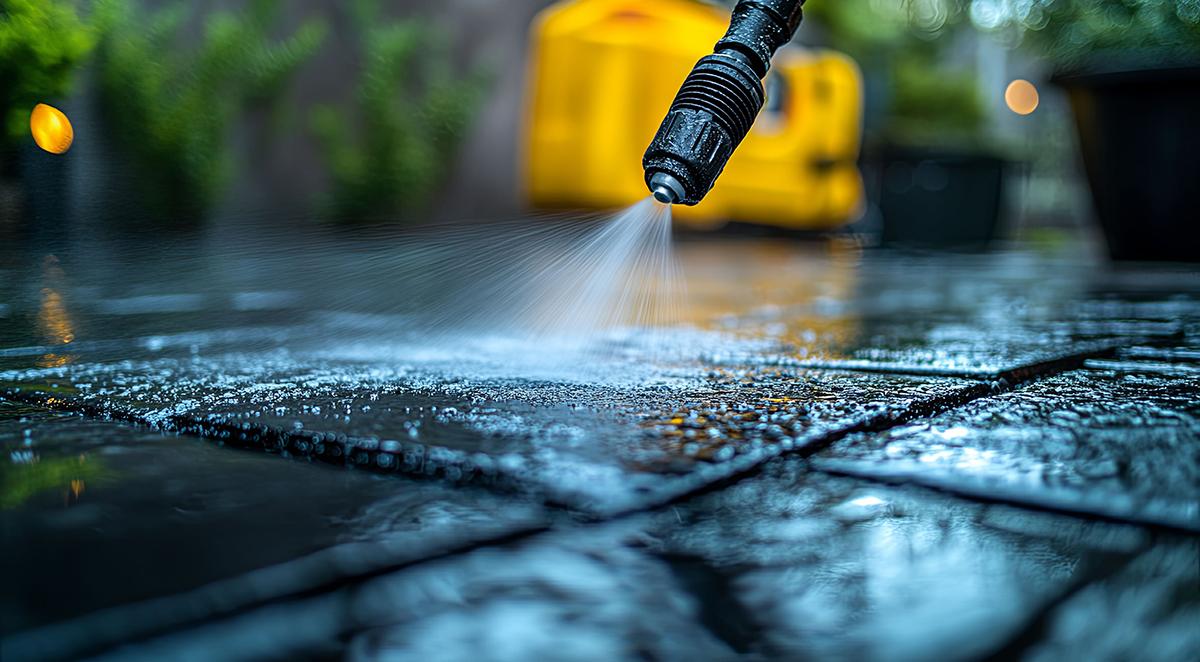
Soft washing is one of the most effective cleaning methods, using low pressure and specialized cleaning solutions to remove dirt, algae, mold, and mildew from surfaces without causing damage.
At Hydro Clean, we've been providing professional soft washing services throughout Western North Carolina for over 21 years. Throughout this time, we've encountered numerous misconceptions about soft washing that prevent property owners from choosing this gentle yet highly effective cleaning method. In this blog, we'll address and debunk the most common myths about soft washing to help you make an informed decision about your property's maintenance.
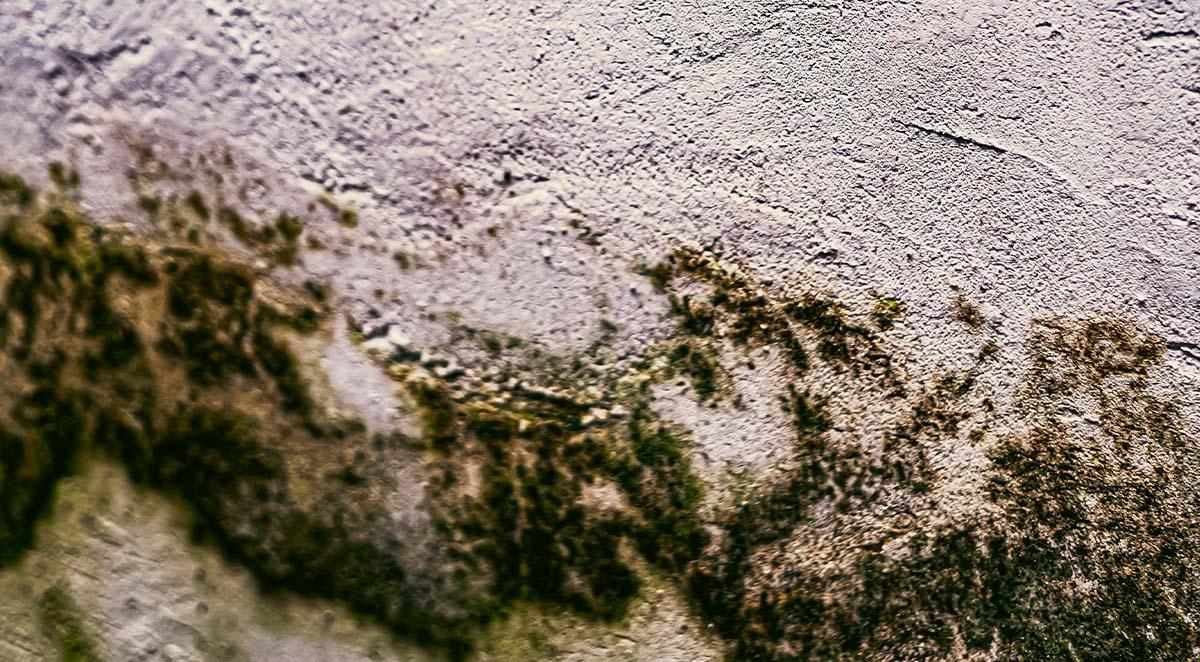
At Hydro Clean, we've spent over 21 years helping property owners throughout Western North Carolina combat mold and mildew with exterior cleaning techniques. One of the most effective approaches in our arsenal is hot water pressure cleaning, a specialized method that delivers superior results compared to standard cold water cleaning. This blog explores how hot water pressure cleaning works to prevent mold and mildew and why it might be the solution you've been looking for.
Maintaining a beautiful, healthy lawn requires time, expertise, and consistent effort. For many homeowners, hiring a professional lawn care service is a practical solution that delivers professional results without the personal investment of time and equipment. However, not all lawn care services are created equal, and choosing the wrong provider can lead to disappointing results, damage to your property, and wasted money.
In an era where environmental consciousness is increasingly important, property owners are seeking cleaning methods that effectively maintain their homes and businesses while minimizing ecological impact. At Hydro Clean, we've long understood that maintaining a beautiful property shouldn't come at the expense of environmental health. That's why we've embraced soft washing as our preferred cleaning method for many exterior surfaces.